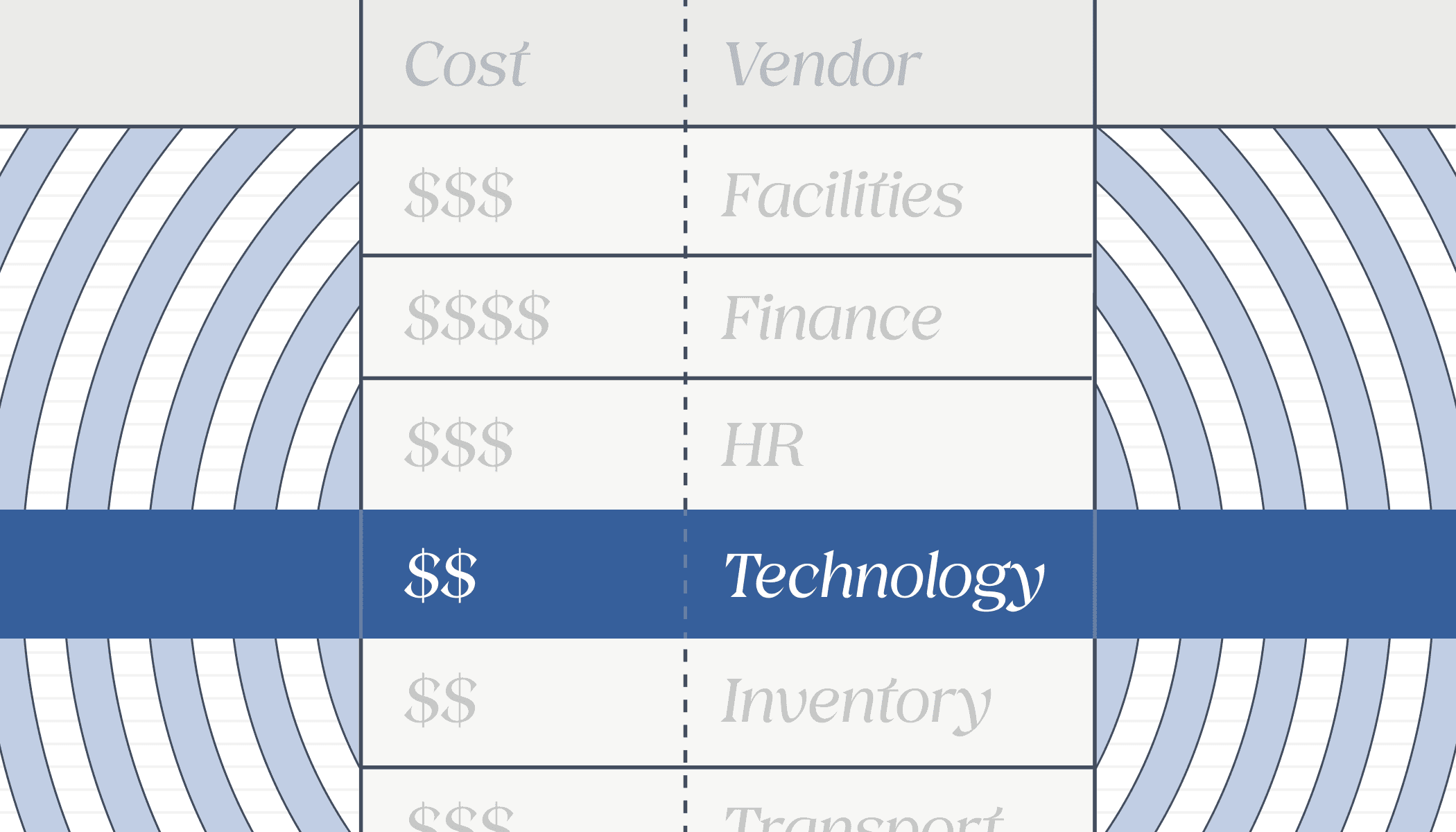
As school leaders enter the height of the fiscal planning cycle, the boardroom table is often covered in spreadsheets of contract renewals and nice-to-haves. But for a superintendent, budget planning is far more than a financial exercise. It is a values statement. Budgeting is the moment where leadership decides whether they are simply funding a collection of tools or intentionally financing their school’s vision for the next year and beyond.
In today’s environment, with the constant pressure to have the latest tool or an AI-driven fix, strategic school leadership requires a different kind of focus. It demands that every fiscal decision be filtered through a single, critical lens:
Does this investment empower our people to focus on students?
The Economic Cost of Fragmented Systems
In a high-functioning district, the most valuable currency isn’t actually the dollar. It’s the mental bandwidth of the staff. When the budget is filled with a dozen different point solutions (one for facilities, one for compliance, one for HR, etc.), the district ends up paying the subscription fees and your team’s lost hours.
Every time a staff member has to bridge the gap between systems that don’t talk to each other, the district loses money in the form of distracted school staff time and energy. When non-instructional tasks are scattered across disconnected platforms, staff become the manual link between them. That manual work is a line item that no budget review can fully capture, and yet it is a major driver of burnout and organizational drift.
This lack of integration also creates a blind spot. When systems are siloed, maintenance issues and inventory shortages are often managed by feel. A superintendent shouldn't have to rely on a hunch to know when a facility needs repair or a department is allocating resources inefficiently. Without a unified view, you can’t be proactive, and you end up stuck being reactive. Reacting is always more expensive than planning.
The Hidden Tax Audit
Before renewing a legacy contract, ask your team three questions to uncover where they’re spending too much time, crippling your school vision.
How many times is the same data point (a student ID or a facility permit) being entered into different systems?
How many separate logins does a Principal or Department Head need to manage in a single school day?
If a key administrator left tomorrow, would their processes live on in a system, or disappear with their hard drive?
How to Budget for Consolidation, Not Accumulation
As you look at the fiscal year ahead, the most impactful move you can make is consolidating the administrative noise that exists within your management systems. Trading a fragmented tech stack for a unified organizational model is a foundational investment that pays dividends in hours back for your staff, every single day.
When prioritizing systems that simplify rather than complicate, you are buying back time for your team and securing three strategic advantages:
Instructional Focus: Shifting the workload away from manual to automated protects staff from administrative noise—allowing them to focus exclusively on student success and a 100% uninterrupted learning experience.
Fiscal Sustainability: Combining multiple tools into a single source of truth provides the visibility needed to defend budget strategy. When you can see the real-time data of facility wear-and-tear or inventory cycles, you move from guessing to knowing. This data-backed clarity allows you to walk into a boardroom and justify every dollar with confidence.
Institutional Memory: Fragmented data lives in the heads of people; unified data lives in the institution. A centralized system ensures that organizational processes endure beyond leadership transitions, protecting the district’s long-term investment.
Focus on the Partnership, Not the Purchase
Ultimately, the fiscal planning cycle is about more than just balancing the books. It’s the time for careful conversations about long-term impact, getting back to the school’s purpose. We know that leadership wears many hats. But managing deferred maintenance schedules or hunting through a mix of Google Drives, paper trails, and text messages isn’t why anyone signed up for this job.
School leaders entered this profession to coach, develop teachers, and be present for students. When you audit your budget this year, look at your system through that lens. Ask yourself if the items on the line are keeping the school stuck in a reactive loop, or if the investment increases the capacity to lead.
By centralizing the non-instructional noise that lives in text threads or someone’s head into a single, proactive system, you’re intentionally financing the time and energy required to do the work you actually set out to do. In a community striving for greatness, your staff’s bandwidth is the most important asset on the balance sheet. Make sure your budget reflects that.