All Blog Articles
How Union City Community Schools Raised Over $30K for Tornado Relief in Just 72 Hours

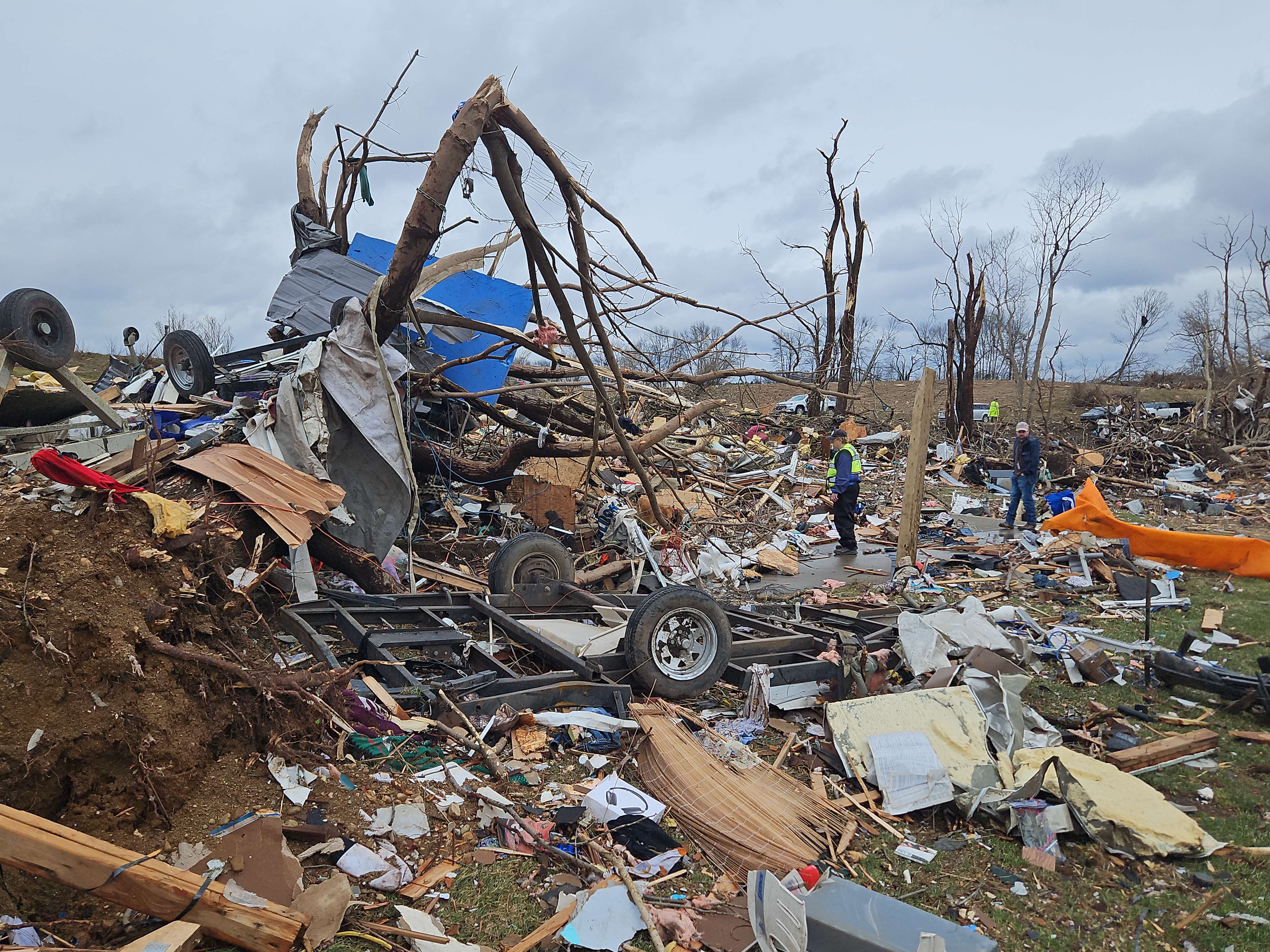
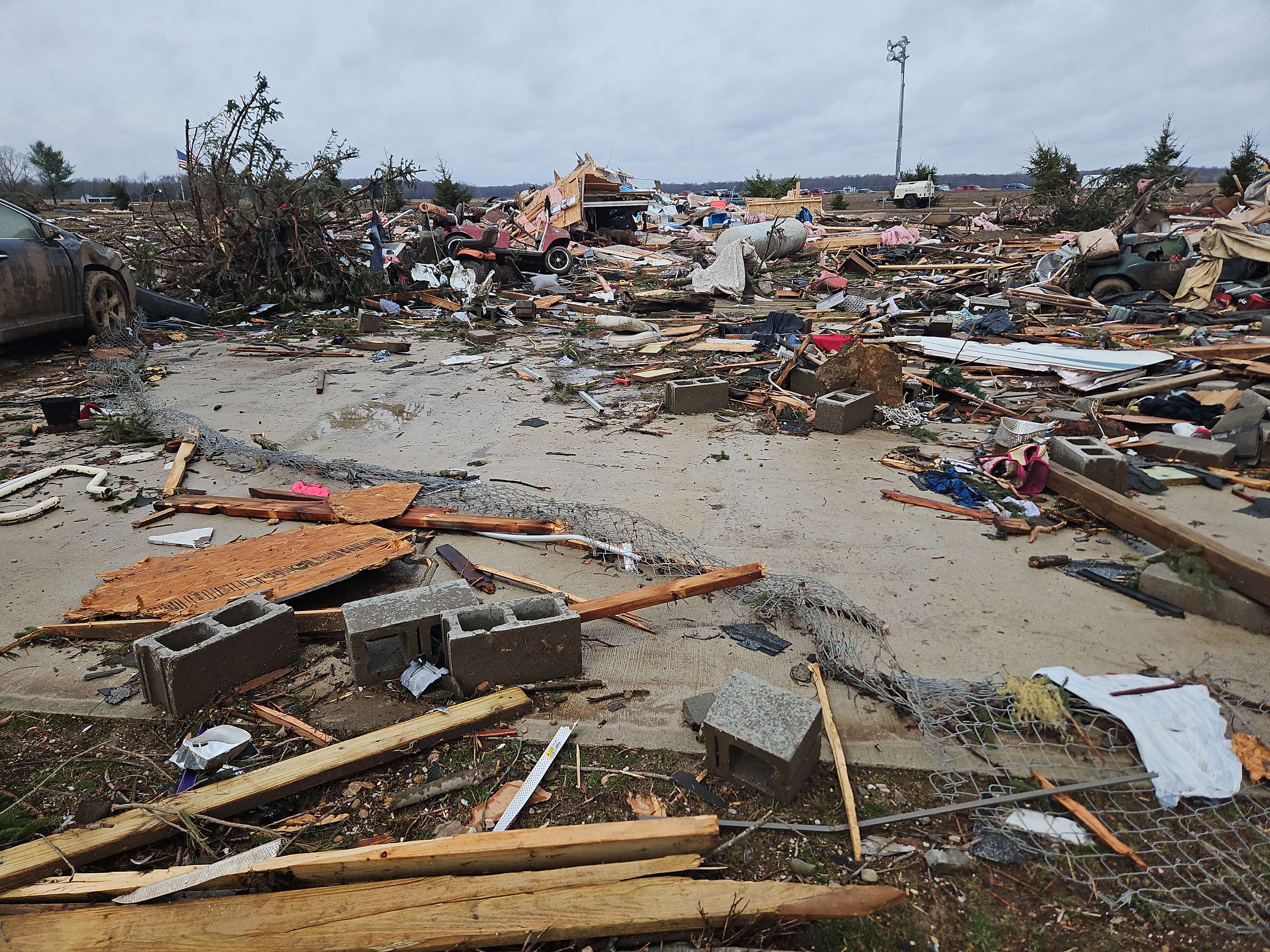
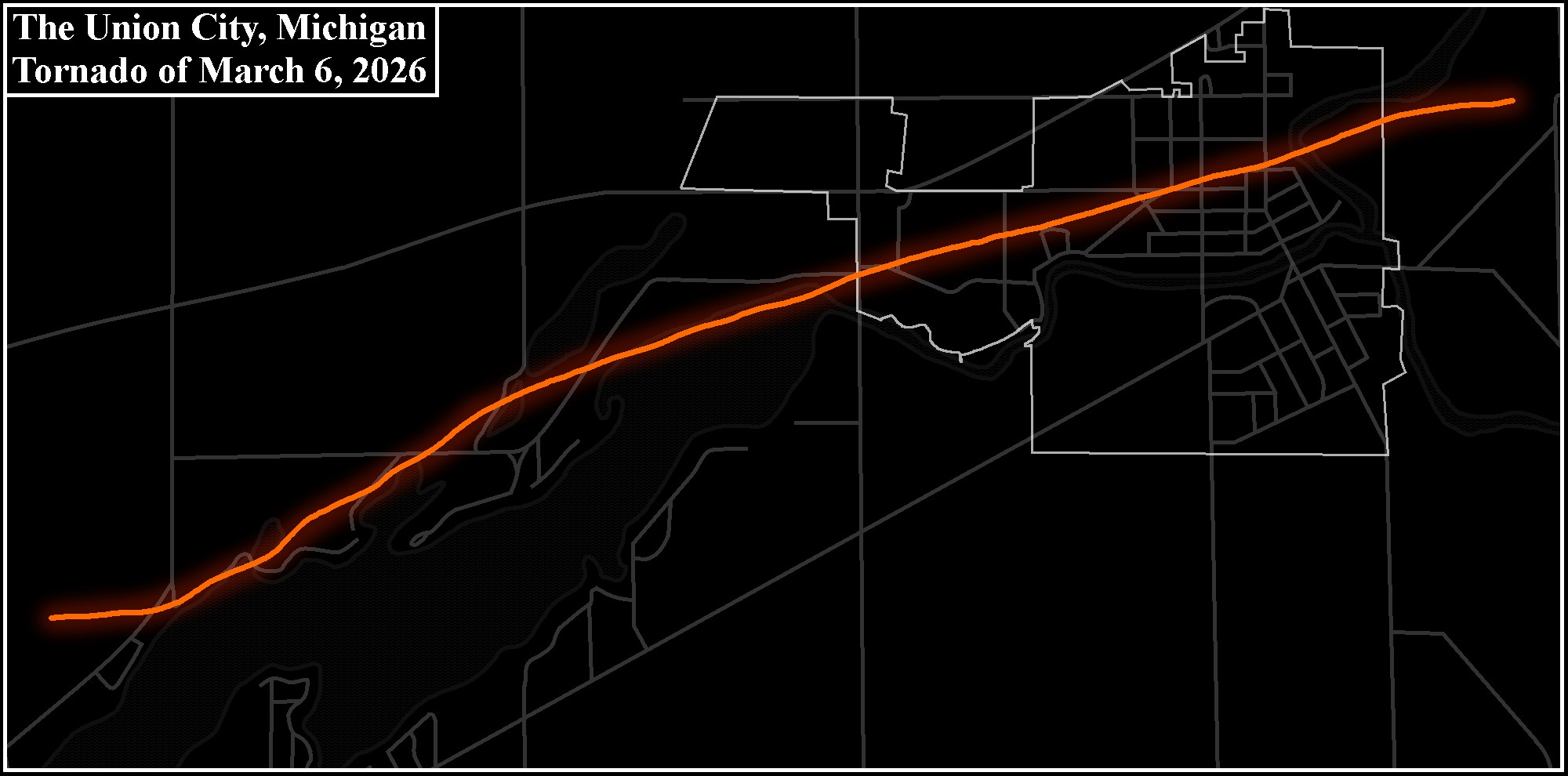
On the afternoon of March 6th, 2026, an EF3 tornado packing 150-mile-per-hour winds and later confirmed as the most powerful to strike Michigan since 1977, tore through the heart of Union City. Within hours, roughly 70 homes had been damaged or destroyed. Three lives were lost. Families were sheltering wherever they could.
Union City Community Schools became the community's hub. And for the first time in the district's history, it had the infrastructure to become the community's bank.
Navigating a Leadership Transition During a Community Crisis
Patrick McKerr stepped into his first superintendency at Union City Community Schools on September 1st, 2025. He wasn’t a stranger to the district; he had already served four years as the curriculum director. But he was taking the helm at a consequential moment: two pillars of institutional knowledge were walking out the door at the same time.
The outgoing superintendent had been in the district for 41 years. The administrative assistant who retired that December had been there for 30 years. Between them, they held the map to everything: every form, every process, and every piece of tribal knowledge. McKerr knew that when they left, so did a significant portion of the district's institutional memory.
That's part of what drew him to Cariina. The platform positioned itself as an organizational management system, a place to digitize, store, and share the knowledge that too often lives only in people's heads. For a small district bracing for secretary turnover, that was a compelling pitch.
Onboarding happened in December followed by a district launch in January. The district was still in its infancy with the platform when March arrived.
McKerr's son was born on February 26th. He was eight days old when the tornado touched down.
Caption goes here caption goes here caption goes here caption goes here caption goes here caption goes here caption goes here…
How the Union City Crisis Team Managed 24/7 Disaster Response
McKerr was on the way home from picking up his three-year-old daughter when his high school principal called. "Touchdown right in the middle of town," she told him. "I'm driving to the high school to see what it looks like."
His first concern was students and staff. The tornado had come through the middle of Union City, which meant a significant percentage of the district's families lived close to its schools. He turned around.
By 7:30 that evening, the high school principal was telling him not to come in. "We've got it. Stay with your family." And they did.
While the district's crisis team was originally trained for events like student loss, not natural disasters, they adapted their skills with remarkable speed. Each person had a role. Someone kept minutes. Someone managed digital communications. Someone coordinated incoming families. Someone handled counseling. The Red Cross arrived a couple of days later, took one look at the operation, and left. "You're doing everything we would be doing," they told the team. "We're going to go help the other communities."
Within 24 hours of the tornado, the school had to stop accepting physical donations of food and clothing. The building was full.
"I had people here who were extraordinary in the work that they were doing. It reinforced to me that whatever good work I think I'm doing here is a result of all the people who are here with me."
Patrick McKerr
Superintendent, Union City Community Schools
The Moment Cariina Entered the Response
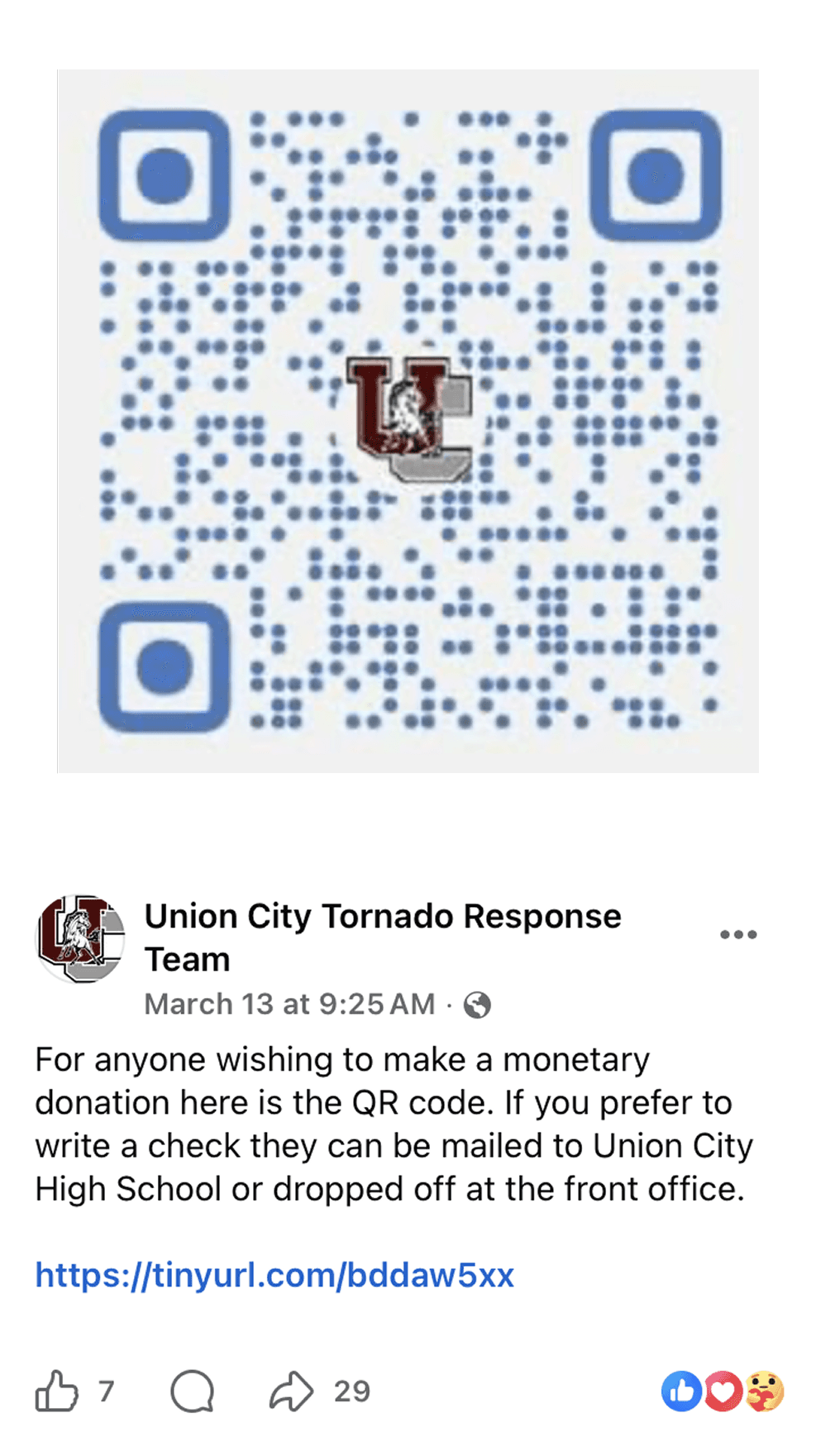
One of the first decisions the crisis team made that Friday evening was to set up a donation form in Cariina.
It was not a simple decision under normal circumstances. Before January, the district had no way to accept digital donations. They had discussed setting up a Venmo or a PayPal account at some point. It never happened. The only path for anyone wanting to give was to write a check, drive to the school, and hand it in.
Now, three months into their Cariina onboarding, they had another option.
McKerr's business manager, who had never set up a donation form before, built one herself that night. She had only seen McKerr do it once before, for a smaller fundraiser to bring a therapy dog onto campus. She figured it out, posted the link on Facebook, and people shared it.
Donations began to pour in from across the country.
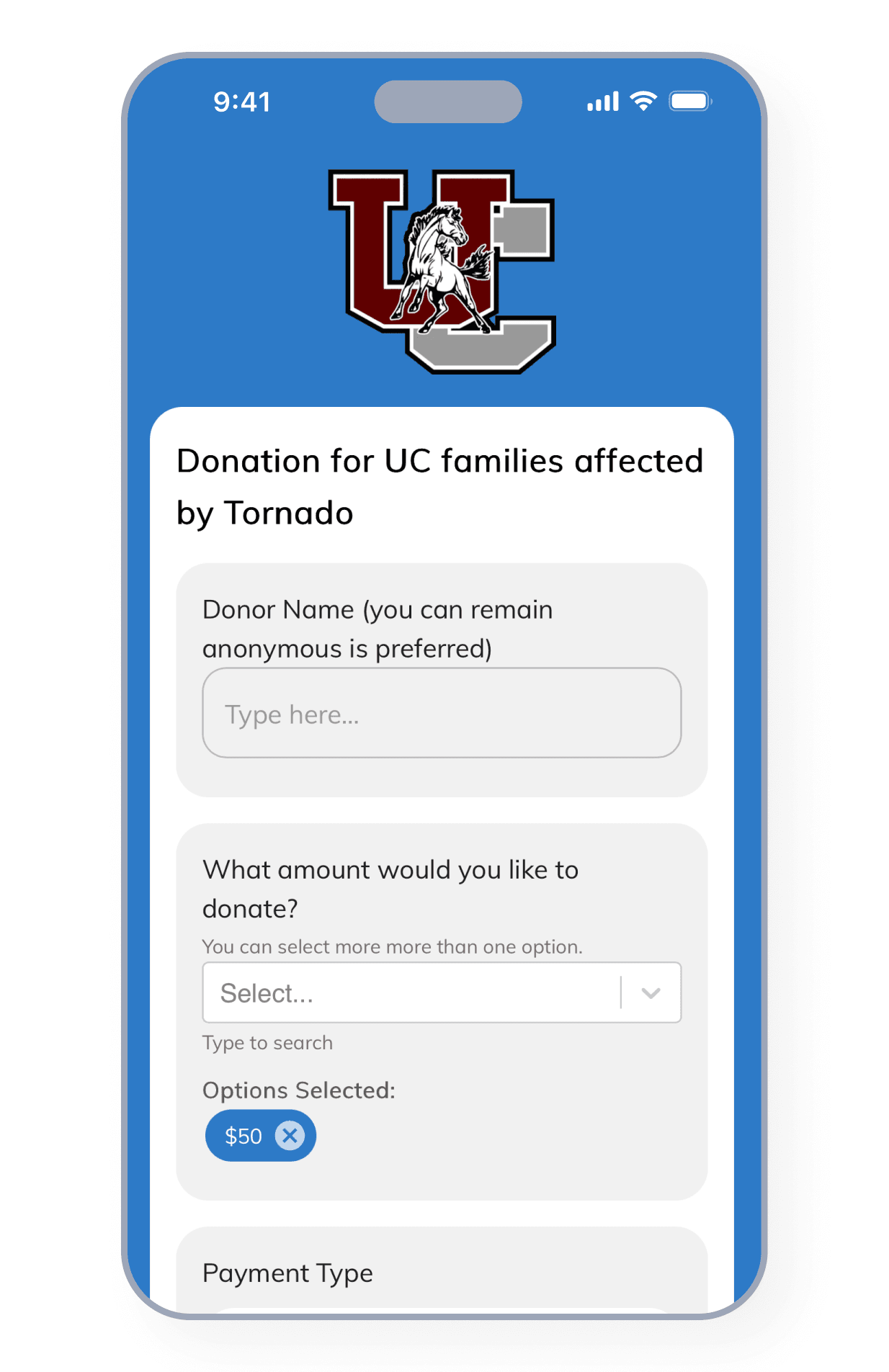
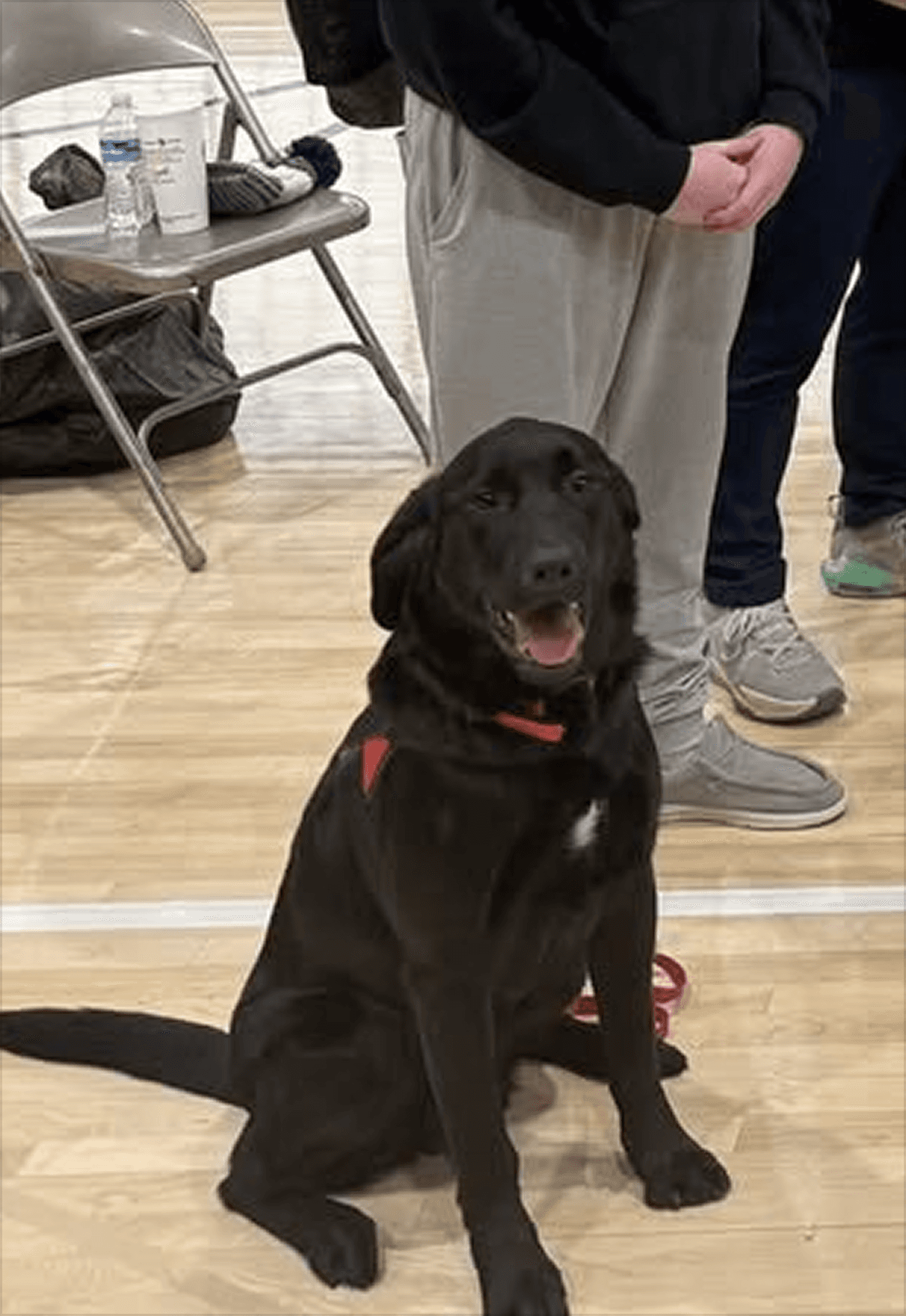
Caption goes here caption goes here caption goes here caption goes here caption goes here caption goes here caption goes here…
"You can see the donations from all over the country. There are people from literally everywhere — people who used to live here, who moved out of state, whose kids went here. Those are people we wouldn't have otherwise been able to reach."
Patrick McKerr
Superintendent, Union City Community Schools
The Results: Raising $30,000 to Support Families in Southwest Michigan
As of the writing of this story, Union City Community Schools has raised over $30,000 through Cariina, with the portal still open and donations continuing to come in. Total community relief funds, including large institutional gifts from organizations like the local electrical union, have exceeded $100,000.
How the District Scaled Their Impact:
National Reach: Connected with alumni and donors across the country via social sharing.
Immediate Agility: The relief portal was live and collecting funds before national relief organizations even arrived on the scene.
100% Local: Because the school handled the collection, every dollar stays in Union City and is distributed directly to families.
Long-Term Recovery: The same platform used to collect donations is now hosting the formal application process for families to receive relief grants.
But the more meaningful number, according to McKerr, isn't the total. It's the multiplier.
When you look past the large-scale corporate donations and at the smaller, individual contributions, the impact of digital reach becomes clear. These donations arrived because someone clicked a link on Facebook and shared it with a cousin in another state. With the accessibility Cariina enabled, McKerr estimates they roughly doubled what the district would have raised through traditional means.
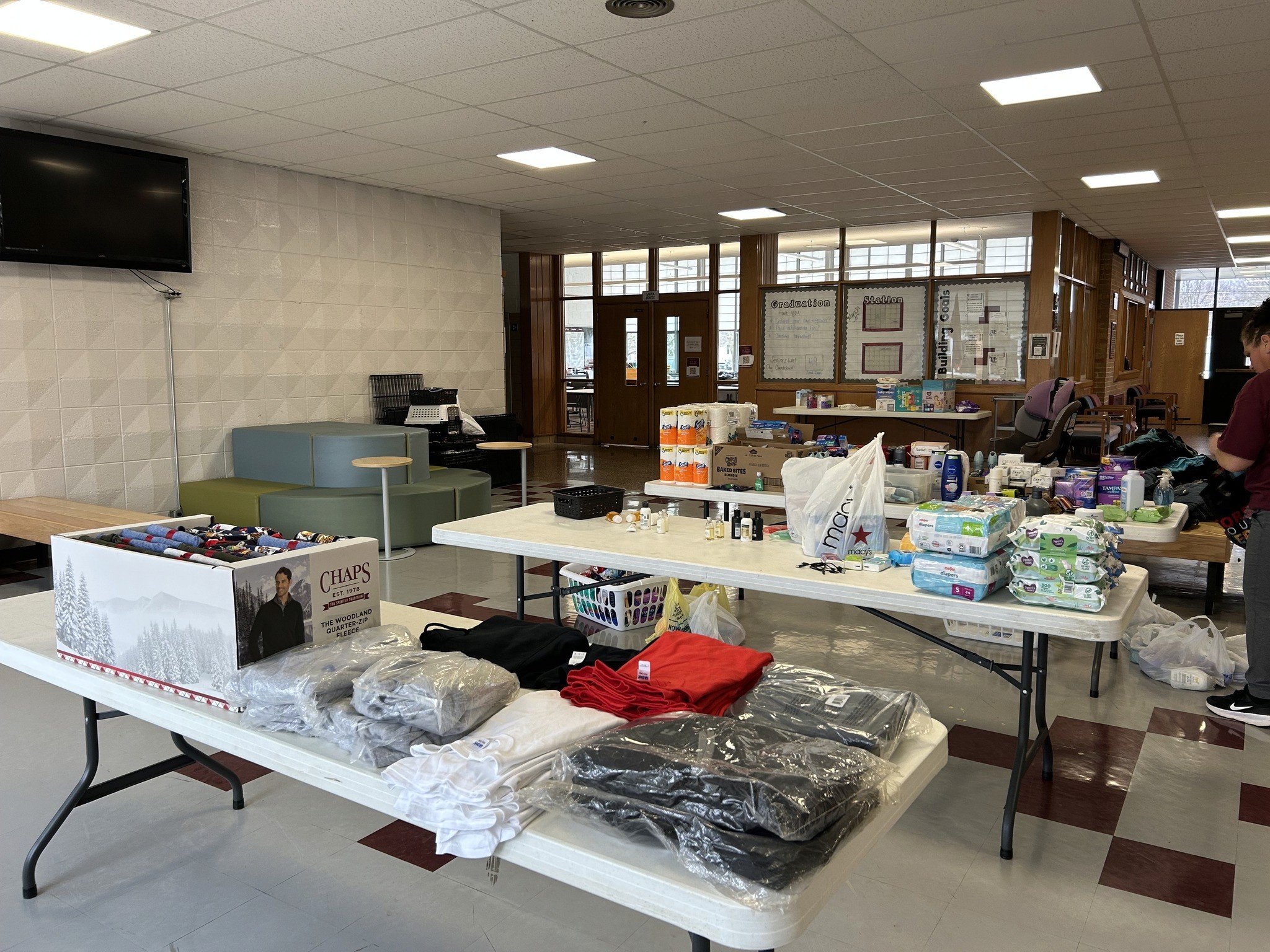
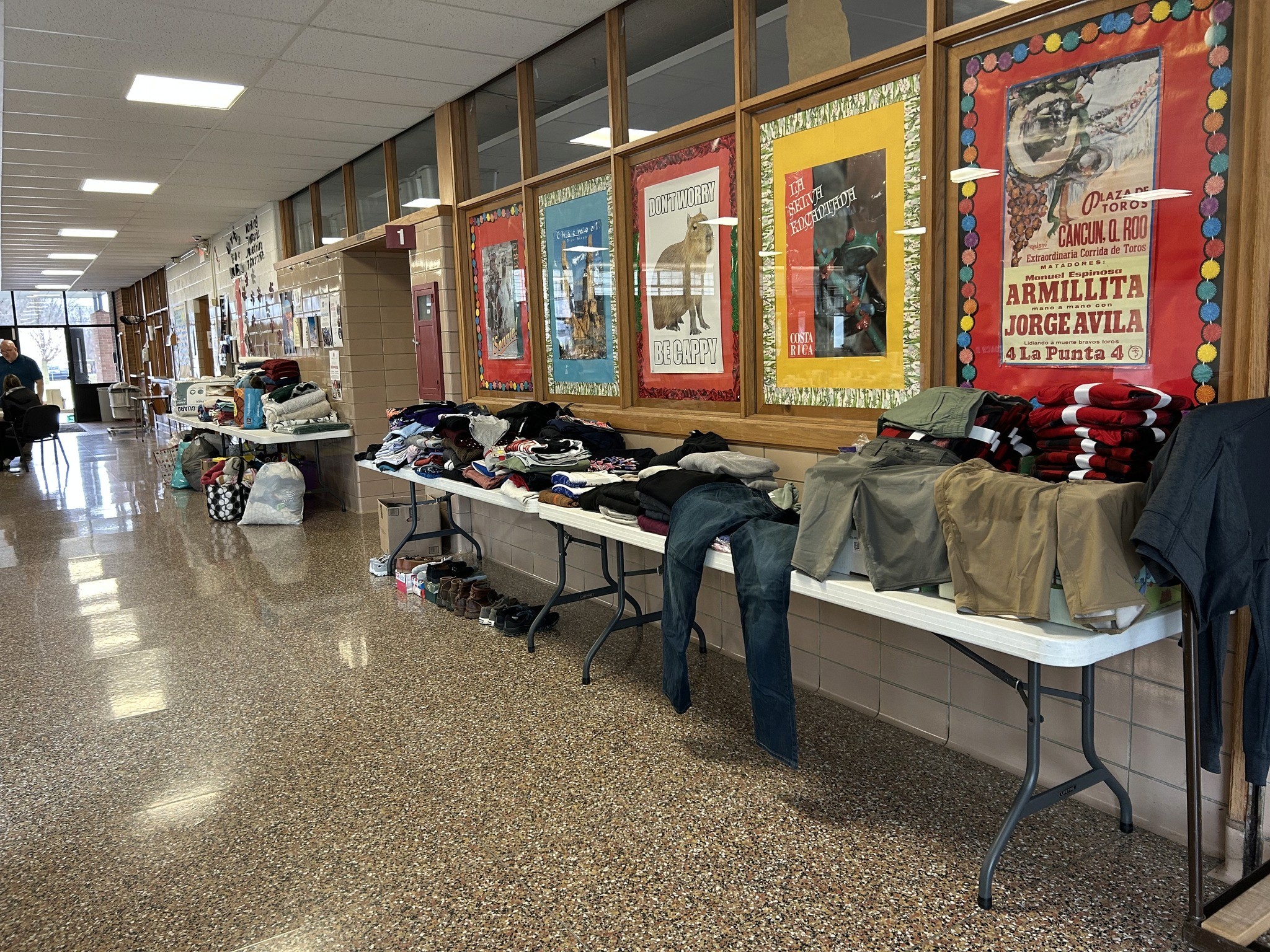
Caption goes here caption goes here caption goes here caption goes here caption goes here caption goes here caption goes here…
"If you take out some of the larger-scale donations and look at the smaller community-style ones, we probably doubled the amount we were able to raise because of Cariina. And there was no other way in which we were collecting funds digitally before this. There just wasn't."
Patrick McKerr
Superintendent, Union City Community Schools
And because the school, not the Red Cross or United Way, collected the money, every dollar stays in Union City. The district is now building a formal application process inside Cariina so community members can apply for relief funds, modeled after community foundation grant processes. The same platform that collected the donations will distribute them.
Empowering School Staff to Launch Rapid-Response Tools
There's a moment in the story that McKerr laughs about now. His business manager, tallying incoming donations in the days after the tornado, was going through each one manually, adding them up. She didn't yet know about the reporting function. When she discovered it, she sent McKerr an email, laughing at the time she could have saved herself.
It's a small moment. But it says something important: she set up the form herself, managed the donations herself, and found the reporting feature herself, all during a community crisis, with the superintendent on paternity leave, in a platform the district had been using for less than three months.
"She didn't need to ask for my support or help," McKerr said. "She figured it out herself. And to be honest, I haven't even looked at the form. I just know it's up and running."
This is what organizational resilience actually looks like in practice. Not a superintendent heroically managing a crisis, but a team that keeps moving because the systems they've built let them.
We're Chargers
In his first address to staff at the start of the school year, McKerr talked about the district's mascot. The Chargers. He'd researched what a Charger actually was: a war horse, trained to charge into battle side by side with the soldiers alongside it. Strongest when they stayed together. Weakened by anyone who veered off.
He used it as a metaphor for what he wanted Union City Community Schools to be: unified, mission-driven, and stronger together than any individual role would suggest.
The tornado tested that thesis in ways no superintendent plans for. The answer came back clearly.
"I think this tornado really highlighted the fact that we are all in this together. We're all Chargers together. And I think every school year where we can recognize that — it's a good school year for us."
Patrick McKerr
Superintendent, Union City Community Schools
Recovery for Union City will be measured in years, not months. There are families still living in campers in their driveways. There are lots where houses used to stand. There are second graders who will flinch at the next tornado drill.
But there is also a school district that stepped into the center of a community's worst day, held its doors open through the night, filled a building with donations in 24 hours, and raised over $30,000, and counting, from people across the country who believe in this small corner of southwest Michigan.
That's what community schools are for. And now, they have the infrastructure to prove it.